

SEA & WIN
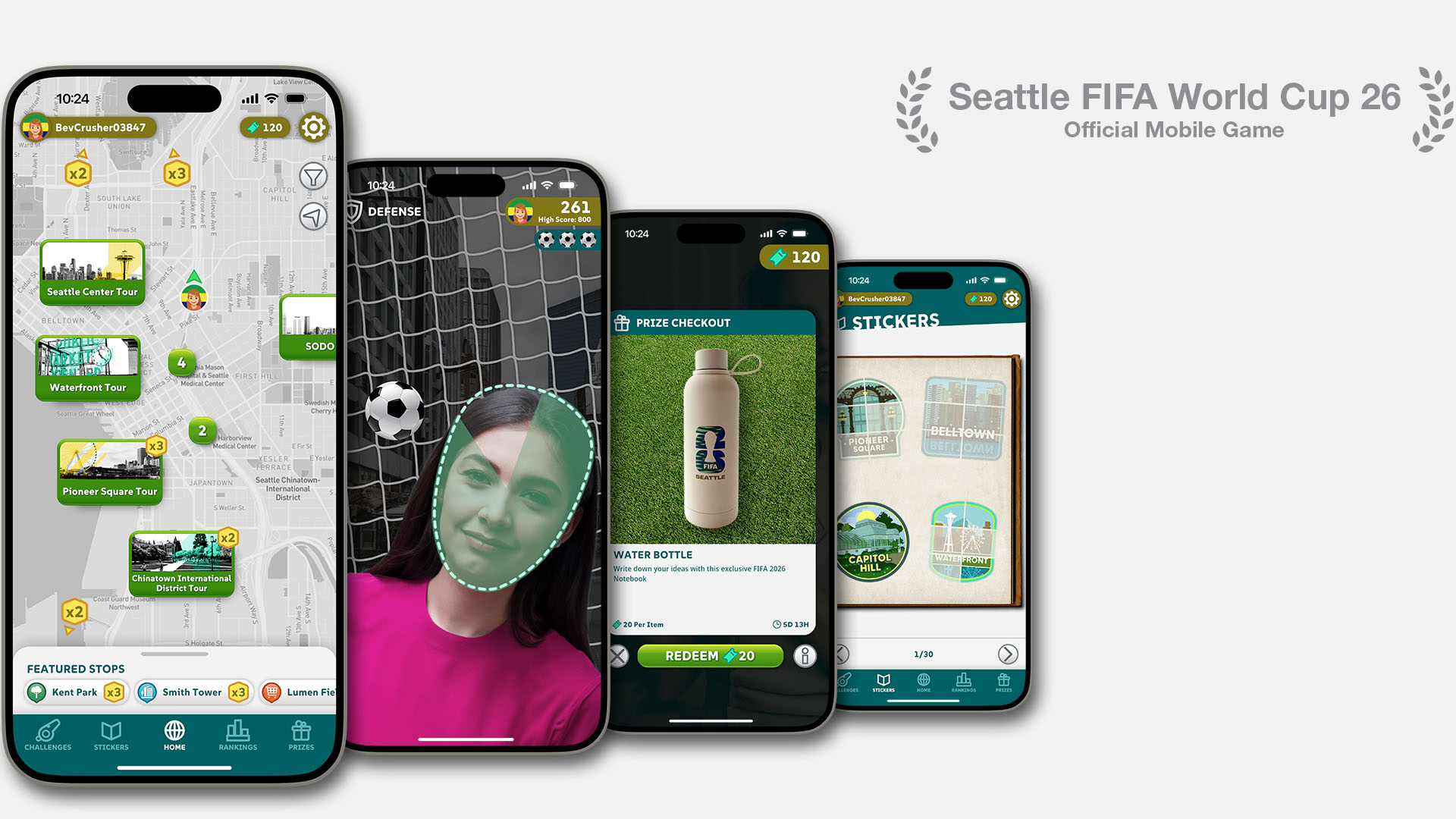
SEA&WIN is the official mobile game of Seattle FIFA World Cup 26™, created to bring the excitement of the tournament to local fans and visitors. Players explore featured destinations throughout Seattle and Washington State, earning points by visiting stops, completing tours, answering quizzes, and taking on challenges. These activities unlock prizes while encouraging players to discover the region’s art, culture, attractions, and small businesses.
I owned the UI/UX end to end, from product strategy, information architecture, and user flows through visual design, motion, and Unity implementation. Working closely with the client, art director, game designers, producers, and engineers, I helped shape the core player journey, resolve gameplay and UX edge cases, and define a cohesive interface within FIFA branding guidelines.
My responsibilities also included establishing the visual hierarchy, selecting accessible typography and color treatments, designing the product’s iconography, contributing gameplay assets, and advocating for usability and accessibility throughout development.
INFO
PLATFORM
iOS, Android
DATE
2024-2025
SKILLS
UI/UX Direction, Information Architecture, Visual Design, Motion Design, Iconography, Design Systems, Unity uGUI Implementation
COMPANY

MY PROCESS
SEA&WIN needed to connect physical exploration, map-based discovery, AR gameplay, quizzes, progression, and real-world rewards within one approachable mobile experience. The product also needed to work for different audiences—from local fans familiar with the region to visitors navigating it for the first time—without overwhelming players with too much information or too many competing systems.
My challenge was to create a clear experience that could guide players from discovery to participation and reward, while remaining scalable across different locations, gameplay modes, screen sizes, and real-world operational requirements.
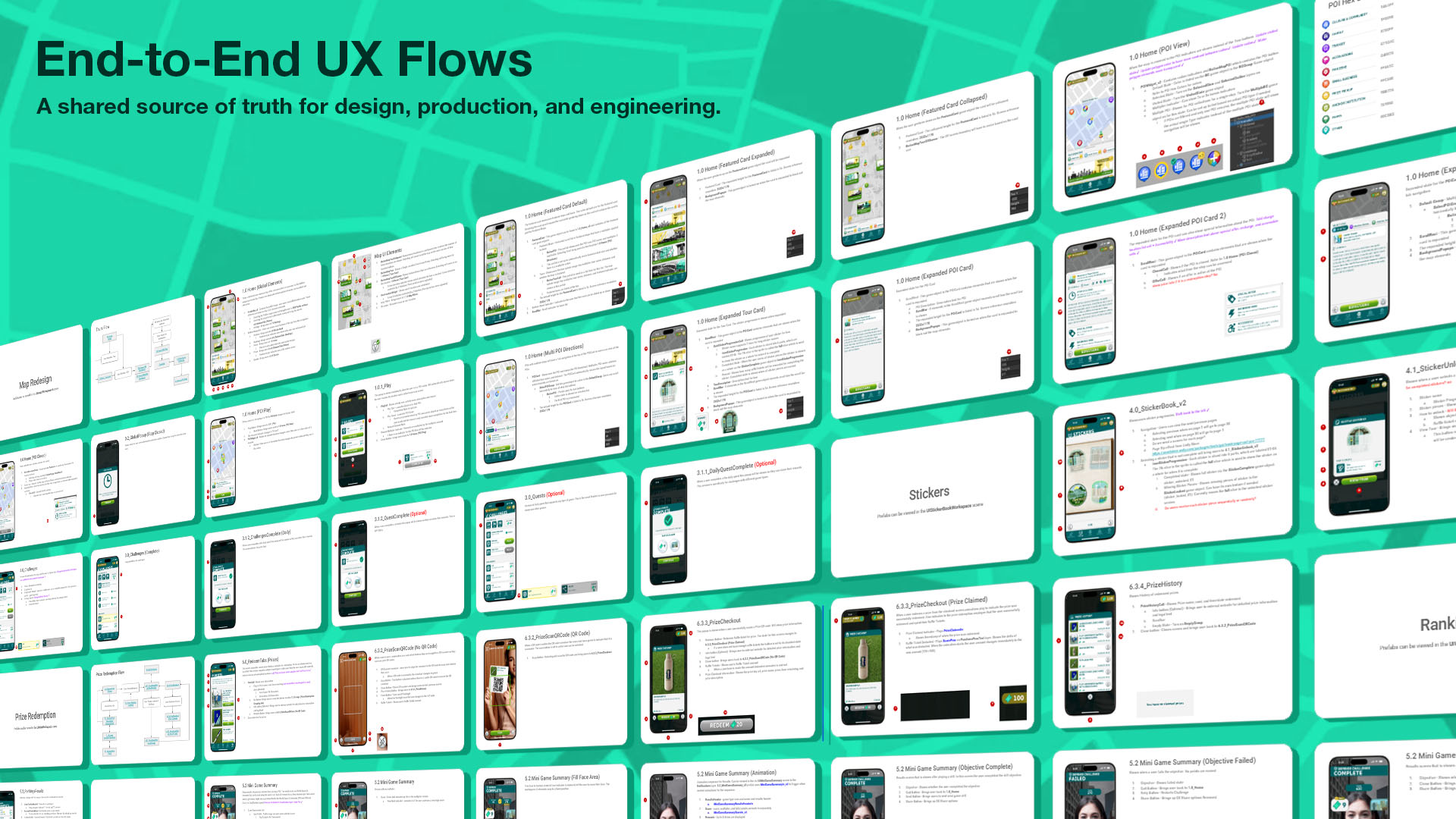
I began by establishing the initial UI prefab library and defining a flexible foundation for rapid iteration and production-ready implementation. I then mapped the complete player journey through annotated wireframes, in-game renders, screen breakdowns, and detailed flow documentation.
This documentation became the team’s shared source of truth, defining how the experience should behave across screens, states, interactions, and edge cases. It allowed design, production, and engineering to review complete flows early, identify gaps, and make informed decisions before features reached full implementation.
I selectively used AI to accelerate placeholder content, early flow exploration, persona drafting, and copy iteration. All final UX decisions, visual direction, interaction patterns, motion design, and production implementation remained under my ownership.
GEO-LOCATION SYSTEMS
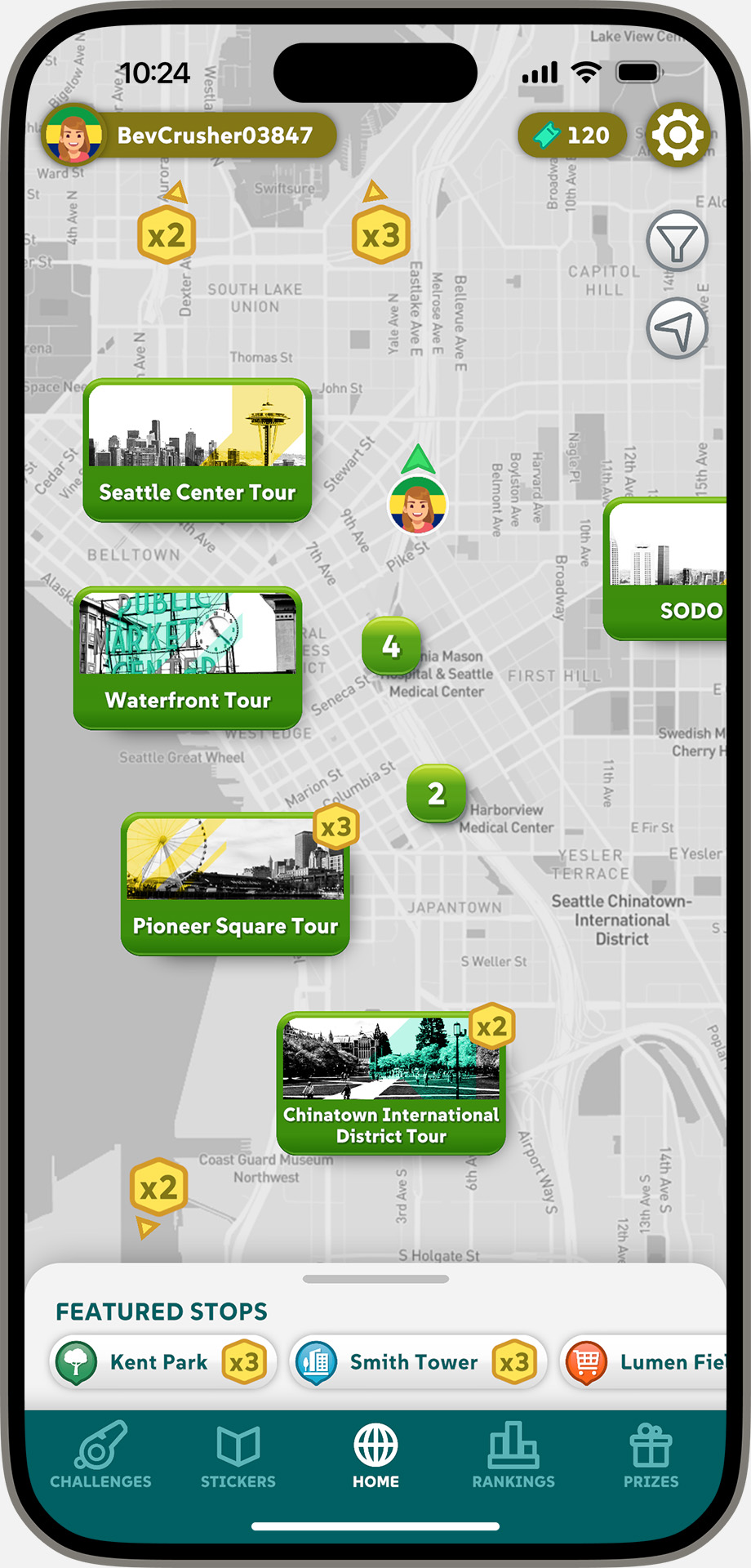
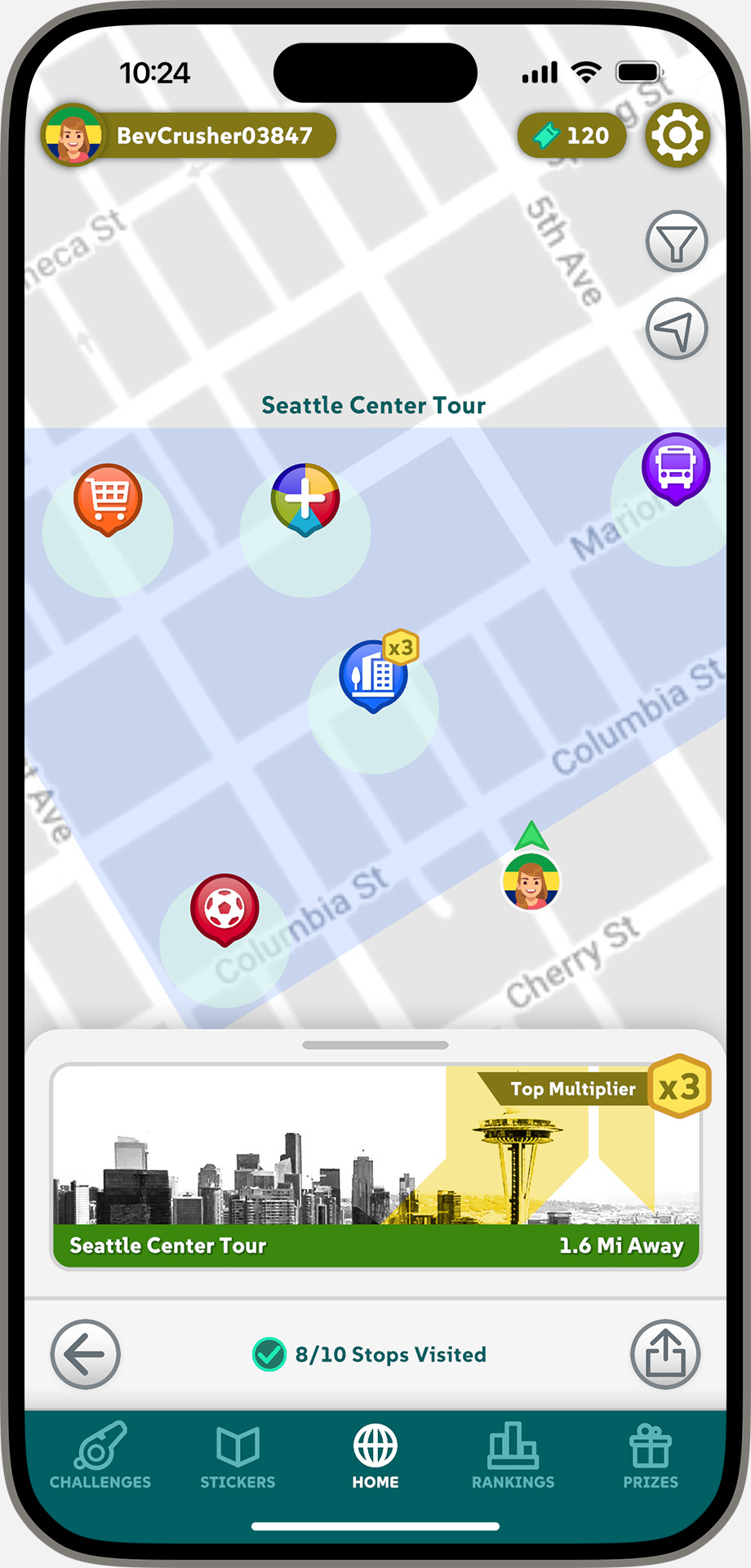
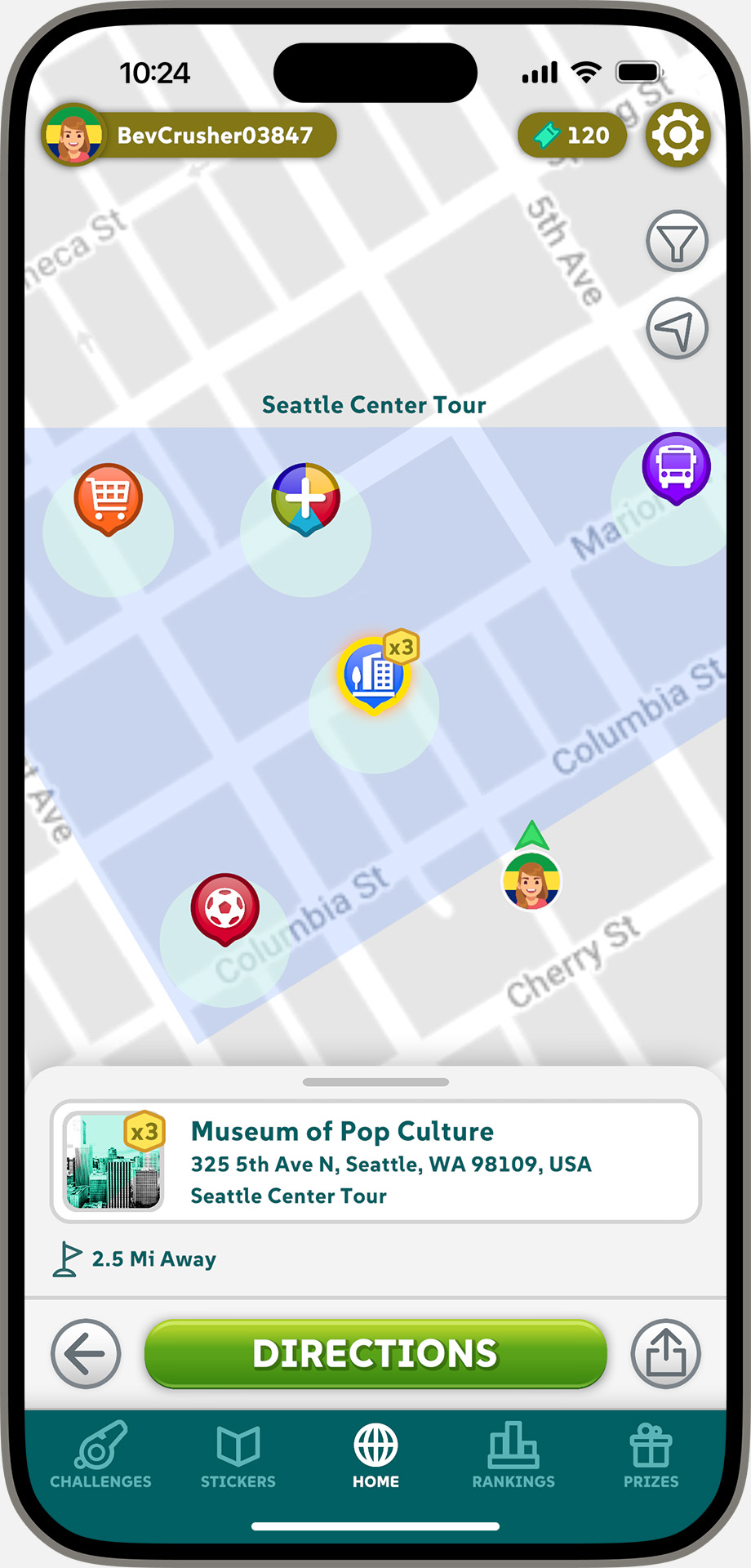
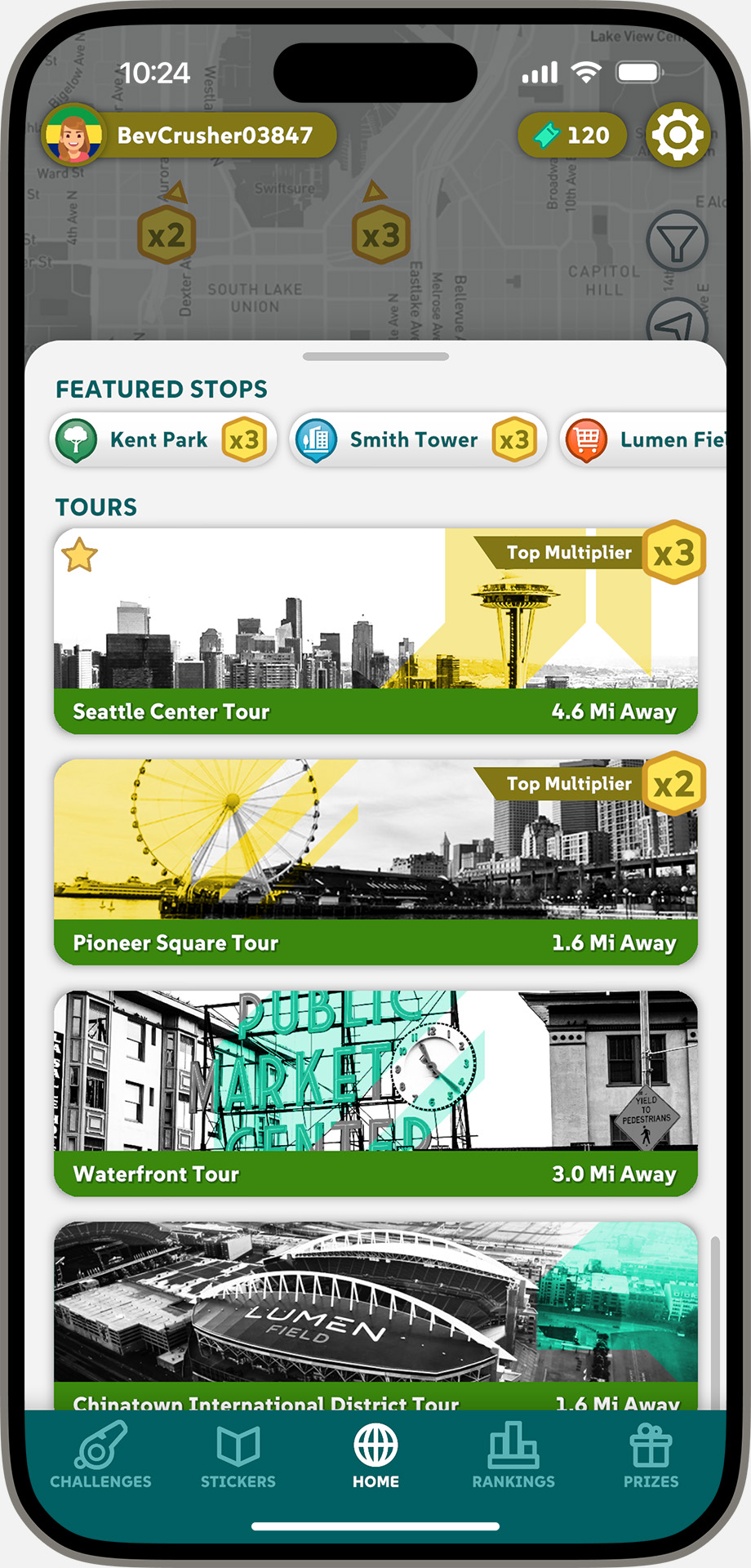
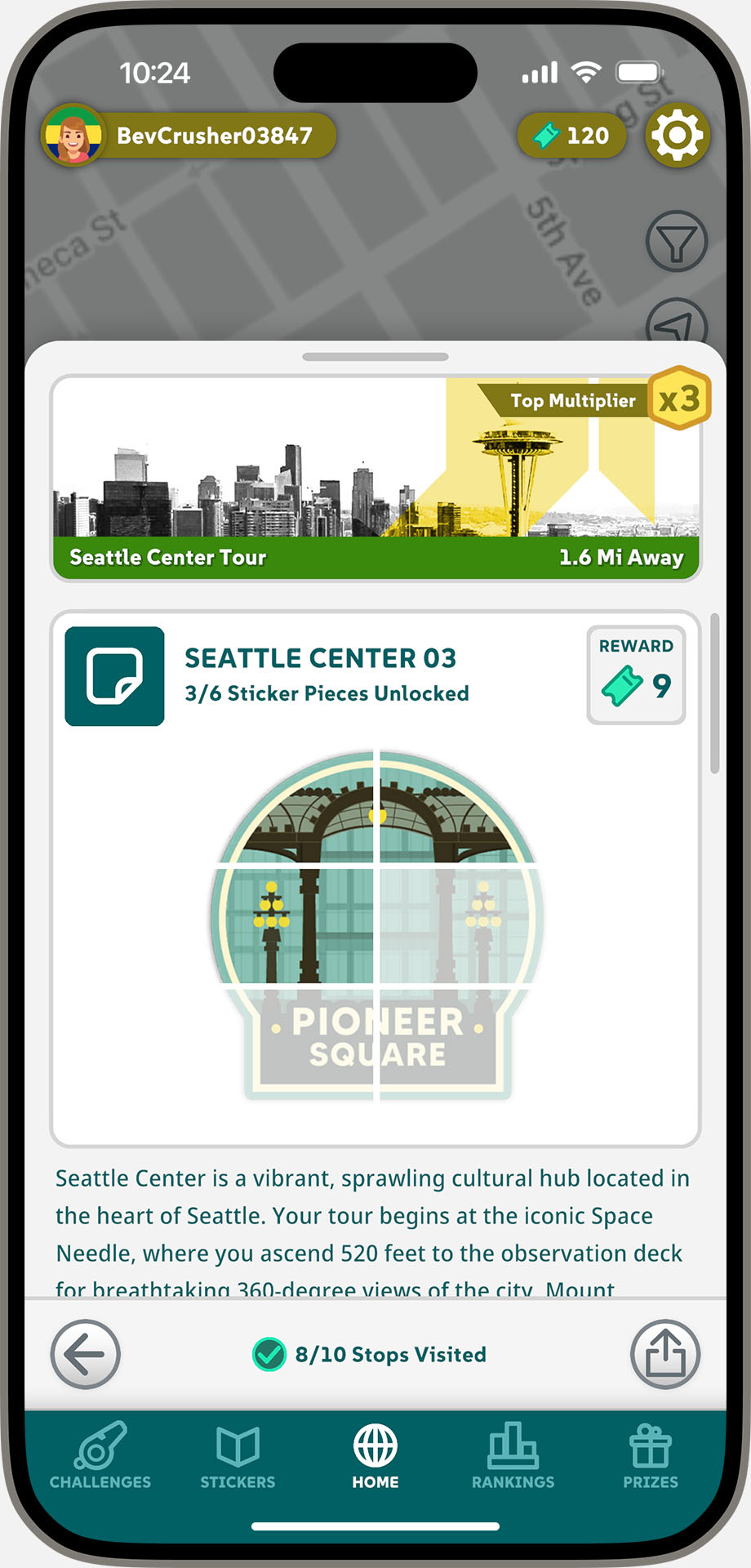
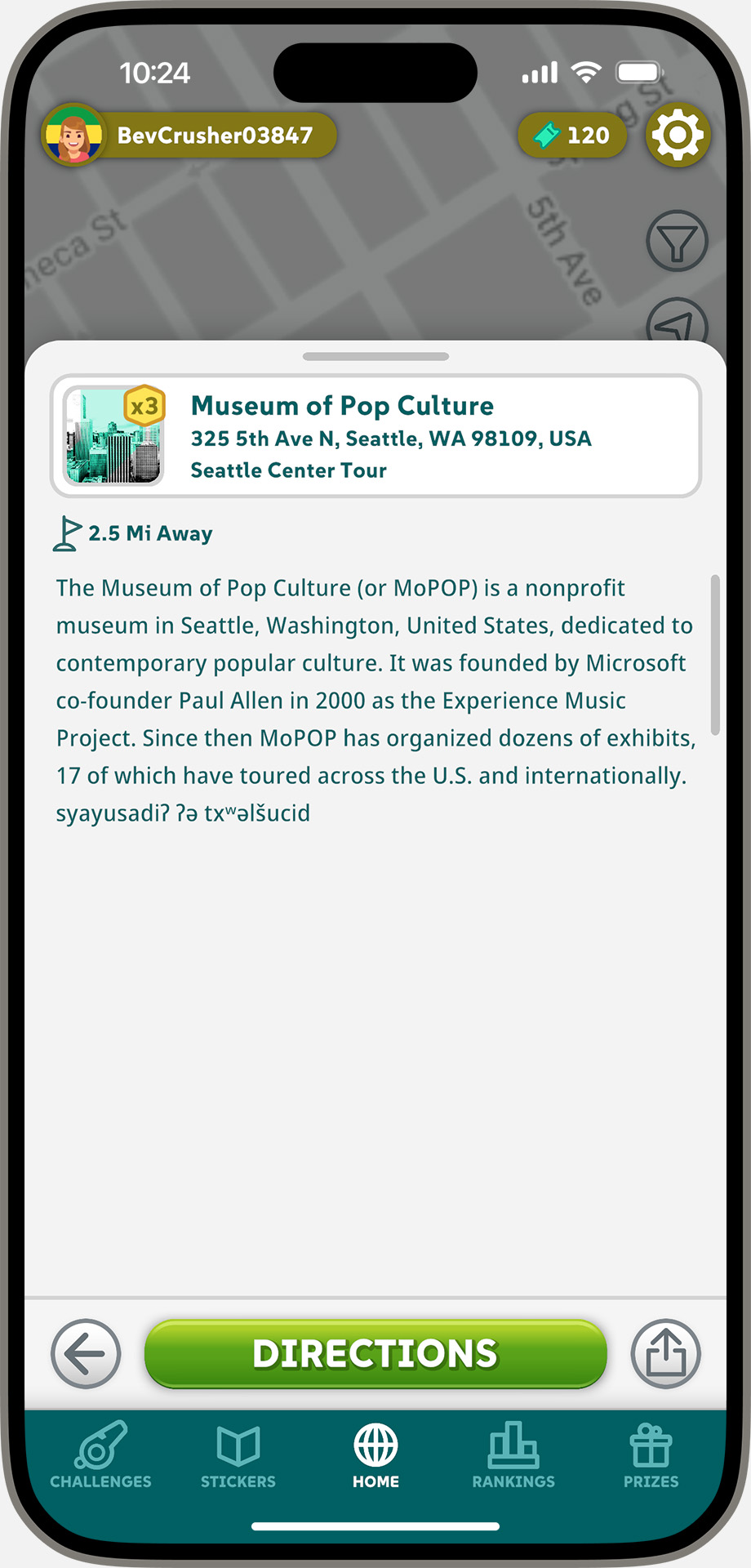
Because SEA&WIN was built around real-world exploration, the map needed to function as the product’s central interaction layer rather than simply a navigation screen. It had to support tour discovery, individual points of interest, rewards, wayfinding, player status, and contextual actions without overwhelming a small mobile display.
I addressed this through progressive disclosure. At broader zoom levels, the interface prioritized tour discovery and regional awareness. As players moved closer, the map revealed individual locations, categories, status information, and relevant actions. Expandable bottom sheets provided additional detail while allowing players to retain their geographic context.
I also designed the supporting visual system, including point-of-interest markers, tour cards, filters, status indicators, buttons, map controls, and bottom-sheet components. Together, these elements created a scalable interaction model that supported browsing, navigation, arrival, and participation within one consistent map-first experience.
GAMEPLAY MODES
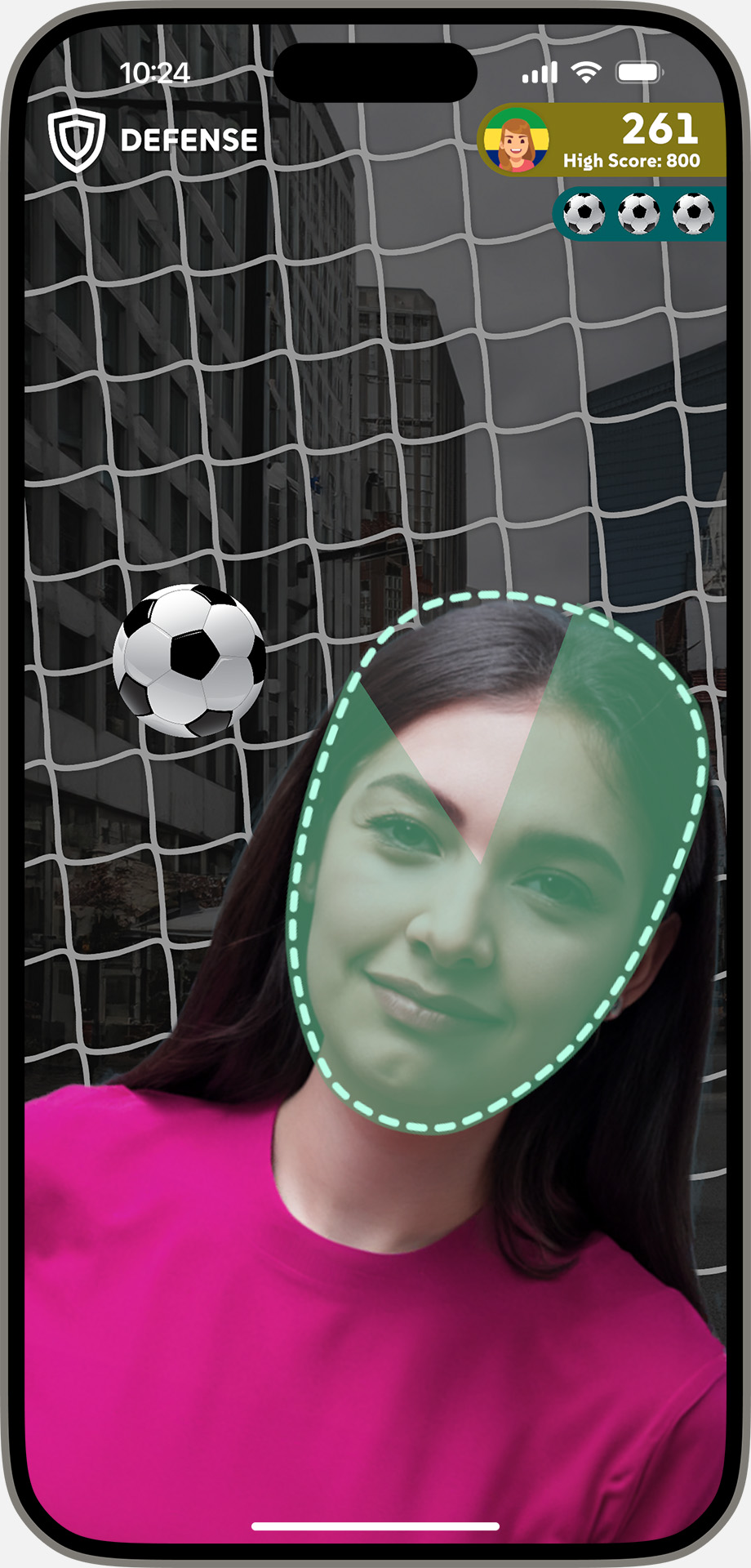
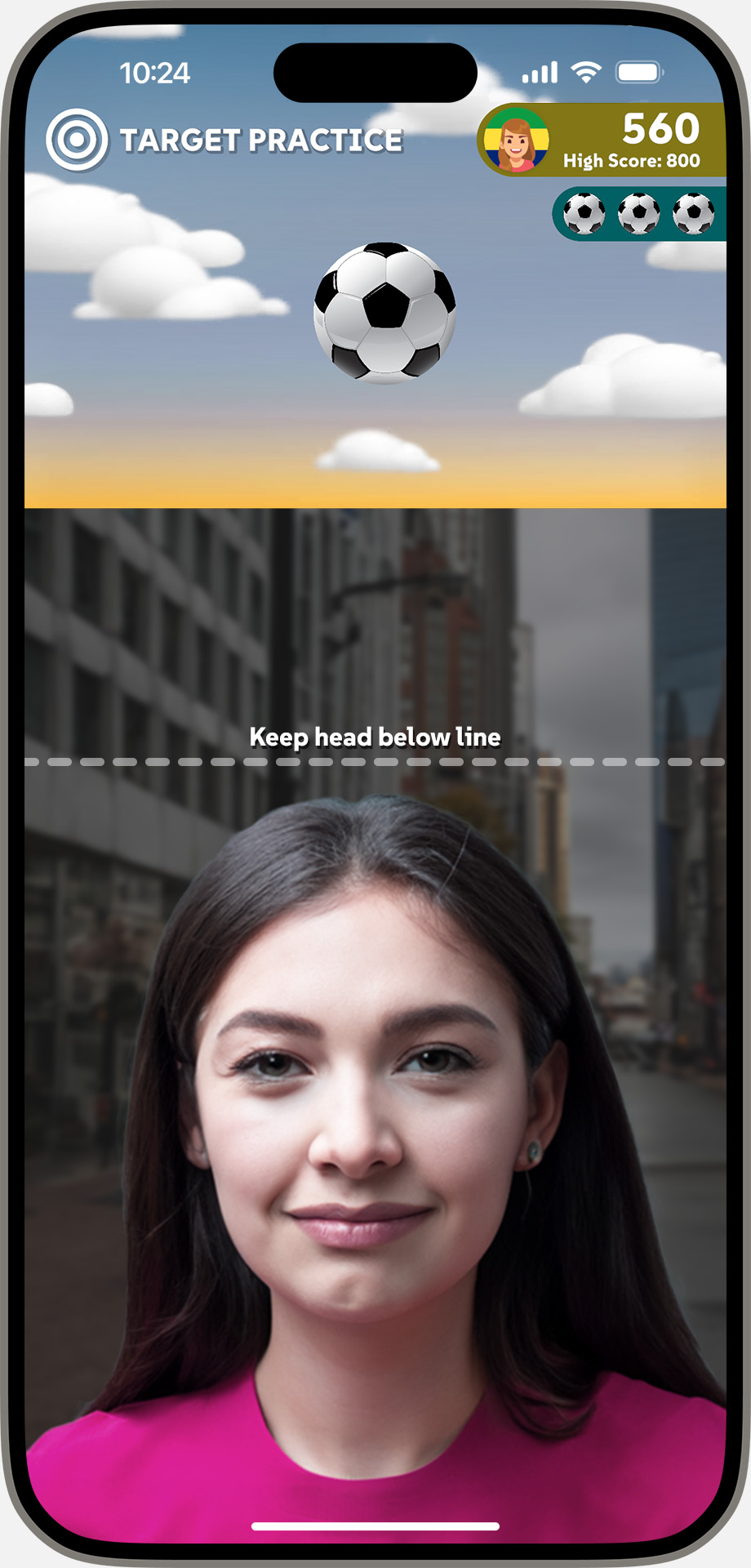
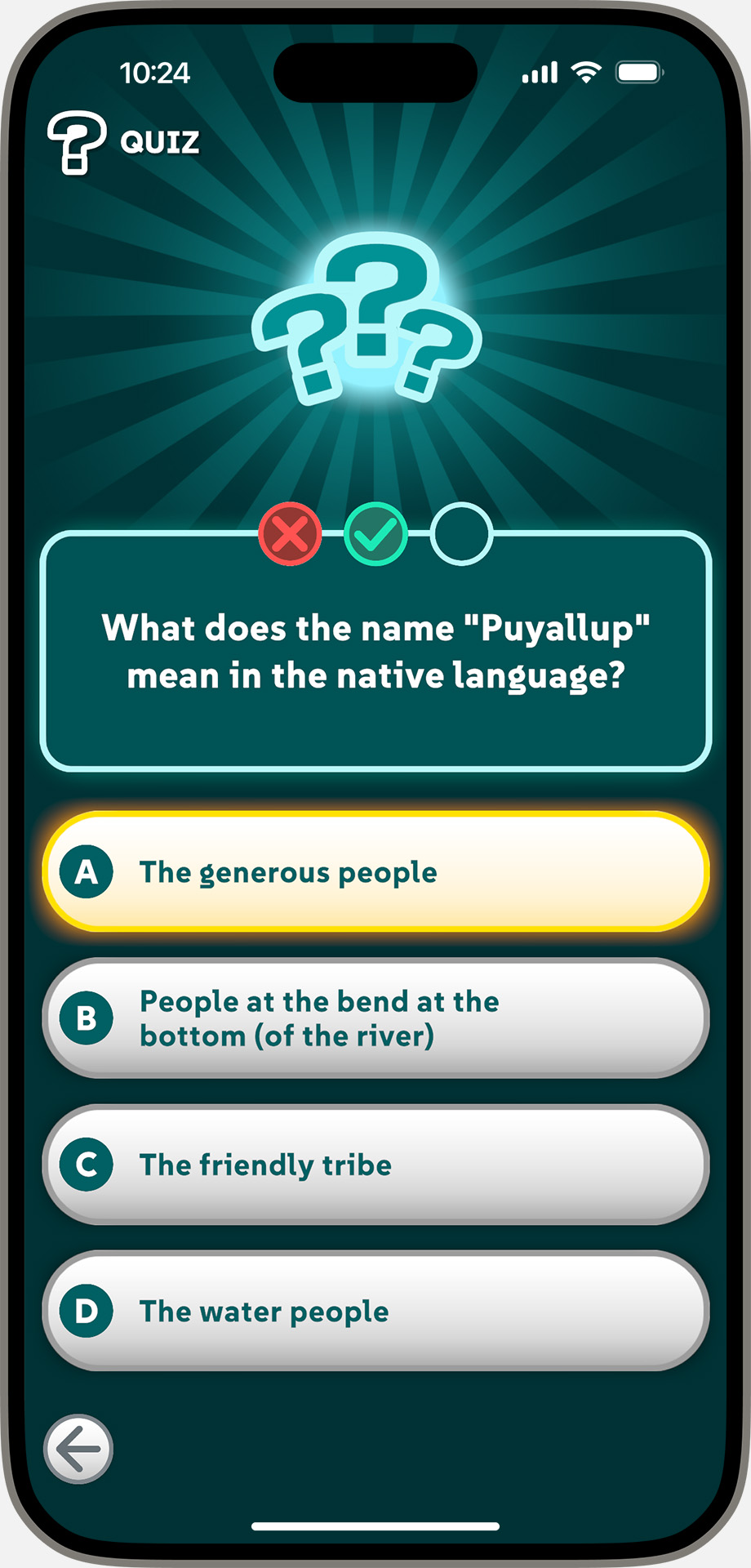
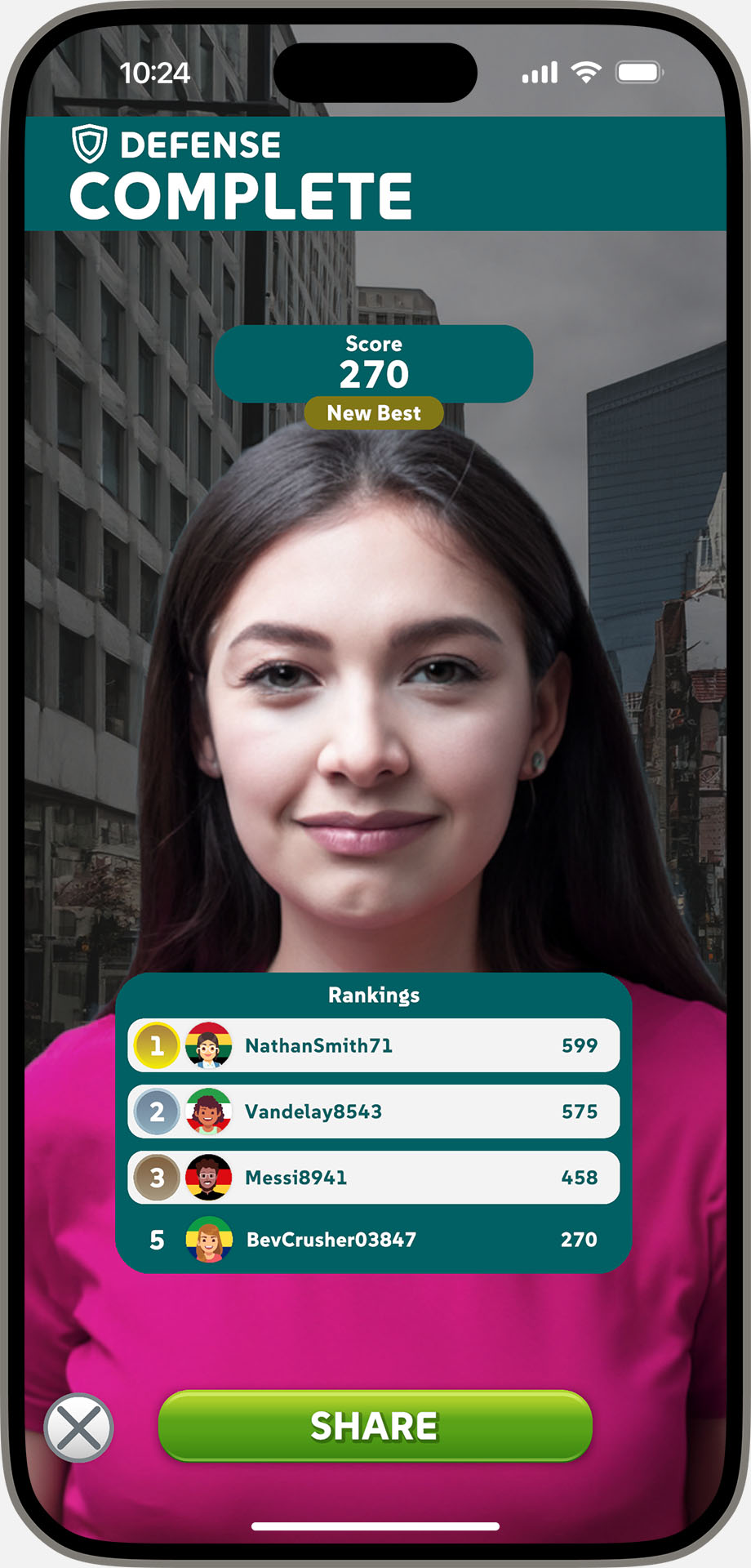
I designed the end-to-end UX for Defense, Target Practice, and Quizzes, ensuring that each mode had its own identity while still feeling connected to the wider SEA&WIN experience. Each flow covered onboarding, gameplay entry, active play, scoring, feedback, completion, and the transition back into the larger progression system.
For the AR modes, the central challenge was balancing game information with a live camera view. I kept the HUD focused on essential feedback such as score, progress, timing, and player actions so the interface supported the experience without obscuring the real-world activity.
For quizzes, I created a clear question-and-answer structure with strong visual hierarchy, immediate response feedback, and visible progression. Shared patterns across the modes helped players understand how to begin, what was expected of them, and how their performance contributed to rewards and overall progress.
REAL-WORLD PRIZE REDEMPTION
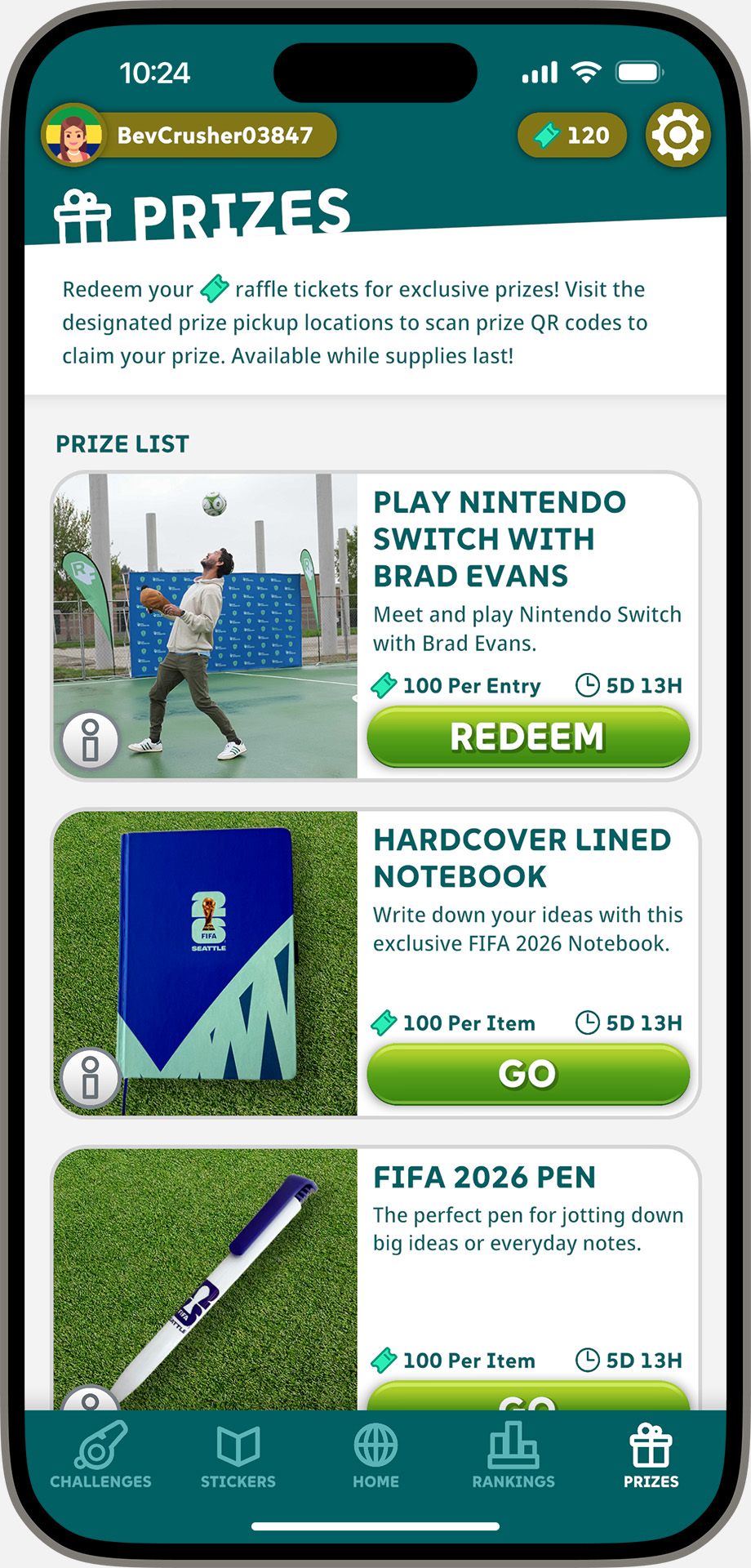
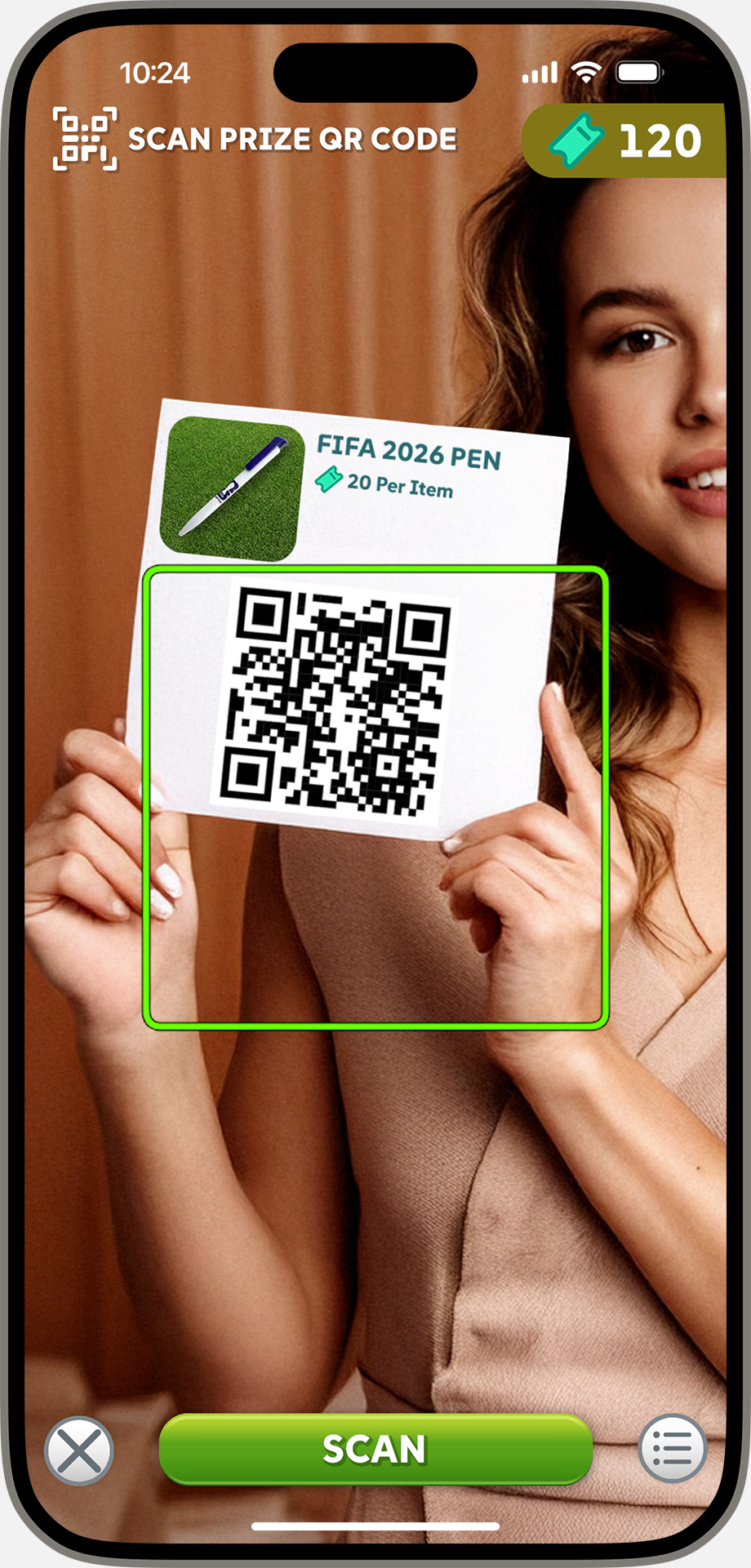
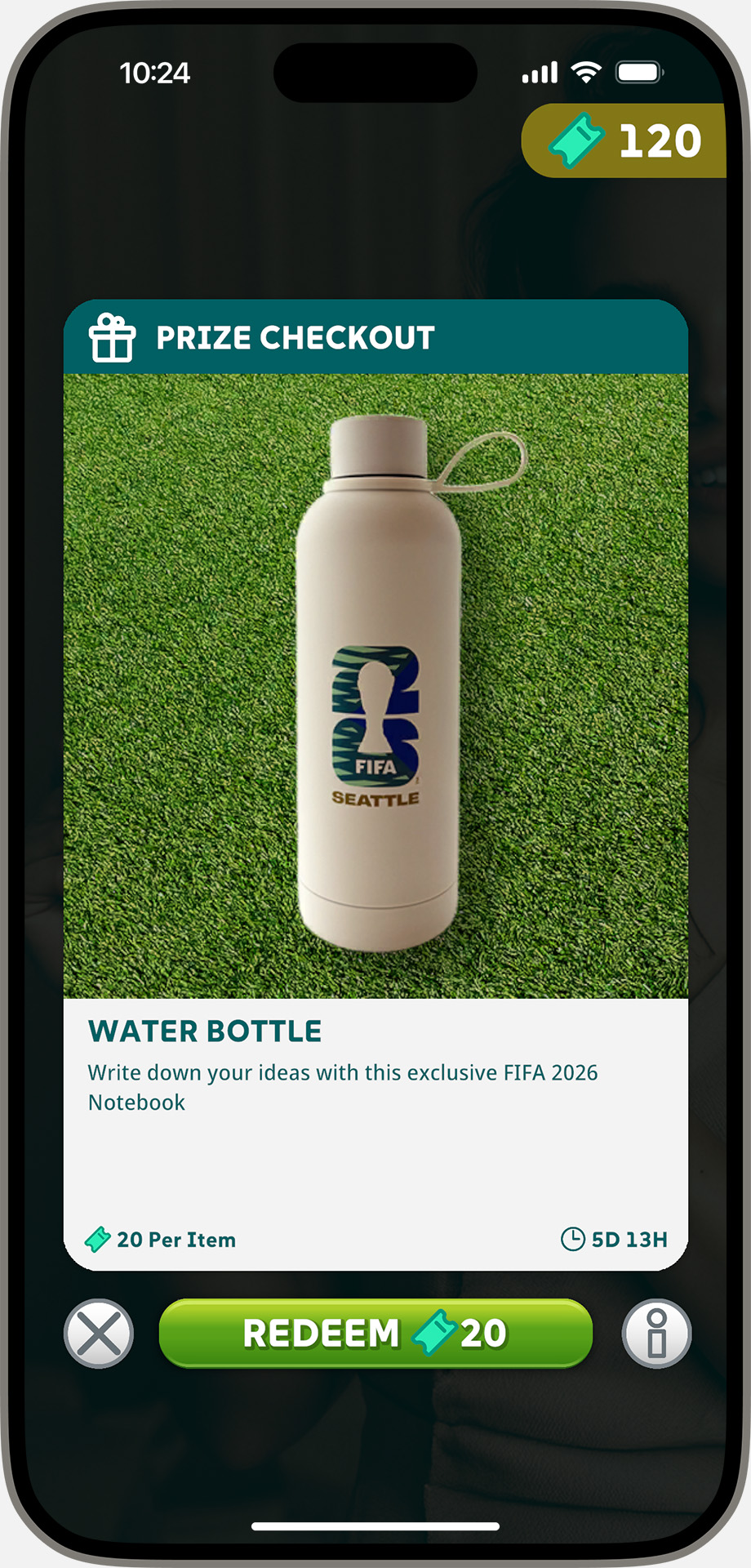
In collaboration with engineering and production, I designed the prize redemption experience that allowed players to exchange earned points for physical rewards. The flow connected an in-app prize catalog with designated pickup locations and QR-based validation.
Unlike a typical digital reward flow, redemption needed to account for real-world operational constraints such as prize availability, inventory limits, physical locations, staff handoff, and claim validation. I structured the experience so players could clearly understand the cost and availability of a reward, confirm their choice, locate the pickup point, and complete the handoff with confidence.
The resulting flow kept redemption connected to the broader gameplay loop while making a potentially unfamiliar real-world process feel clear, trustworthy, and easy to complete.
META-GAME SYSTEMS
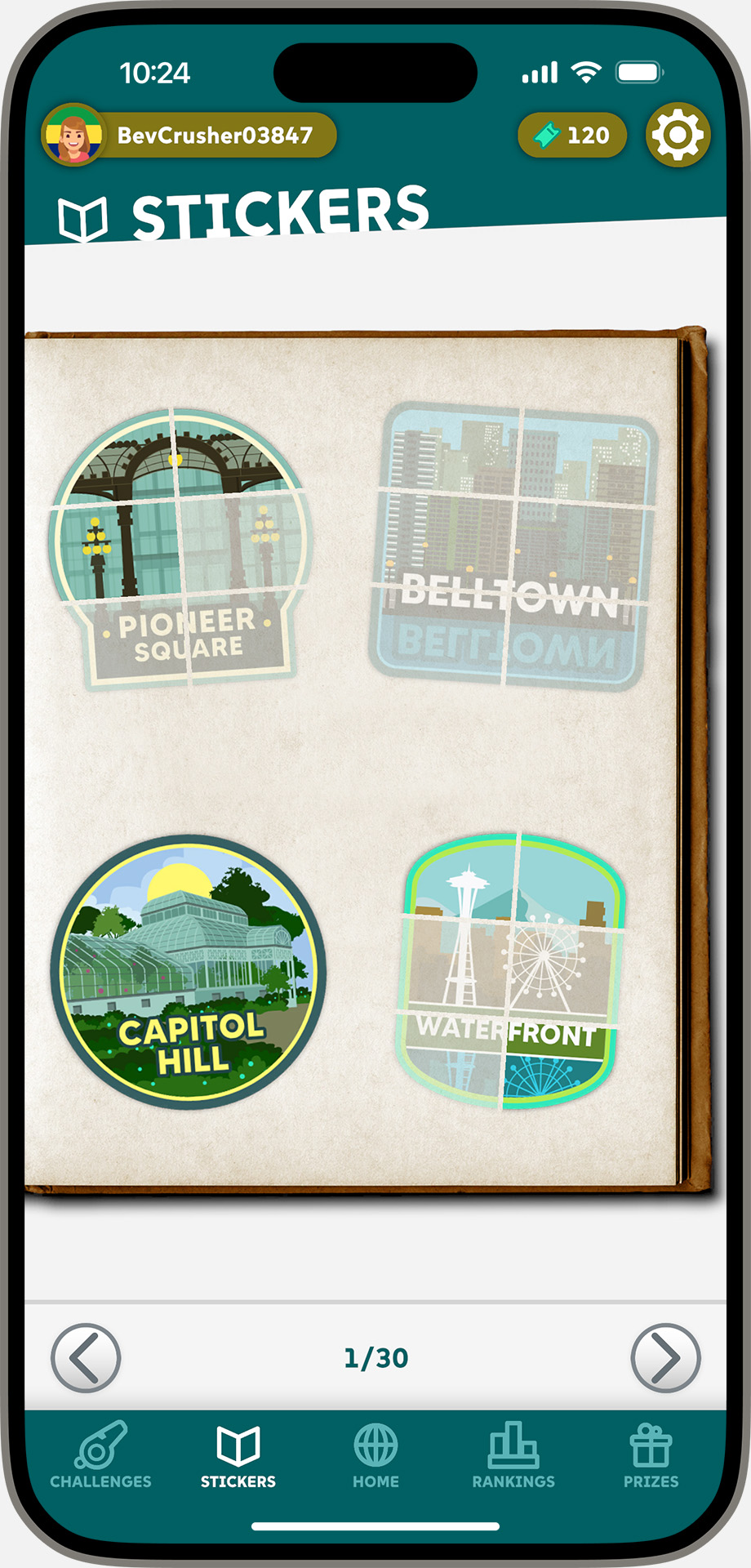
I designed the Rankings and Sticker Collection systems to give players meaningful goals beyond individual tours and gameplay sessions.
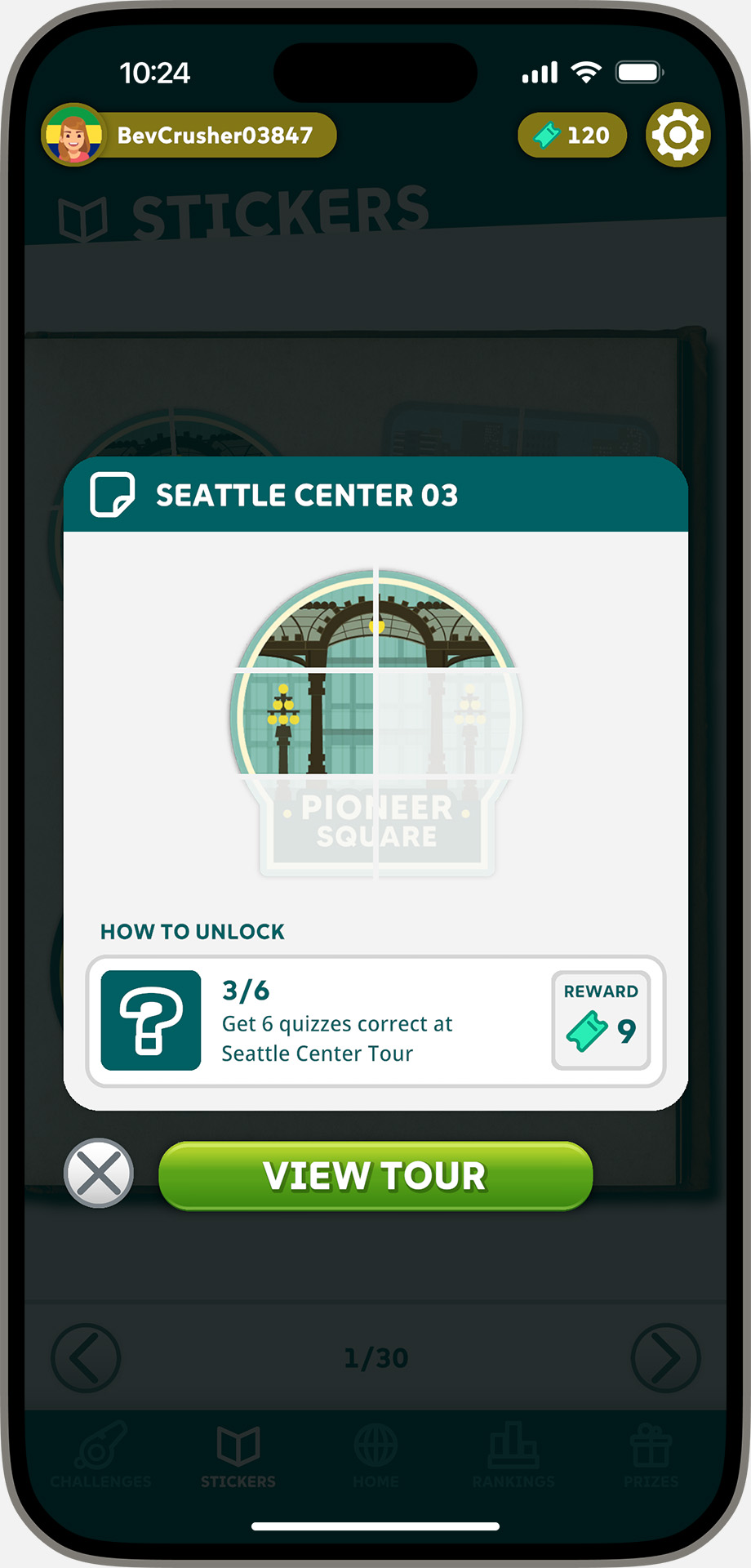
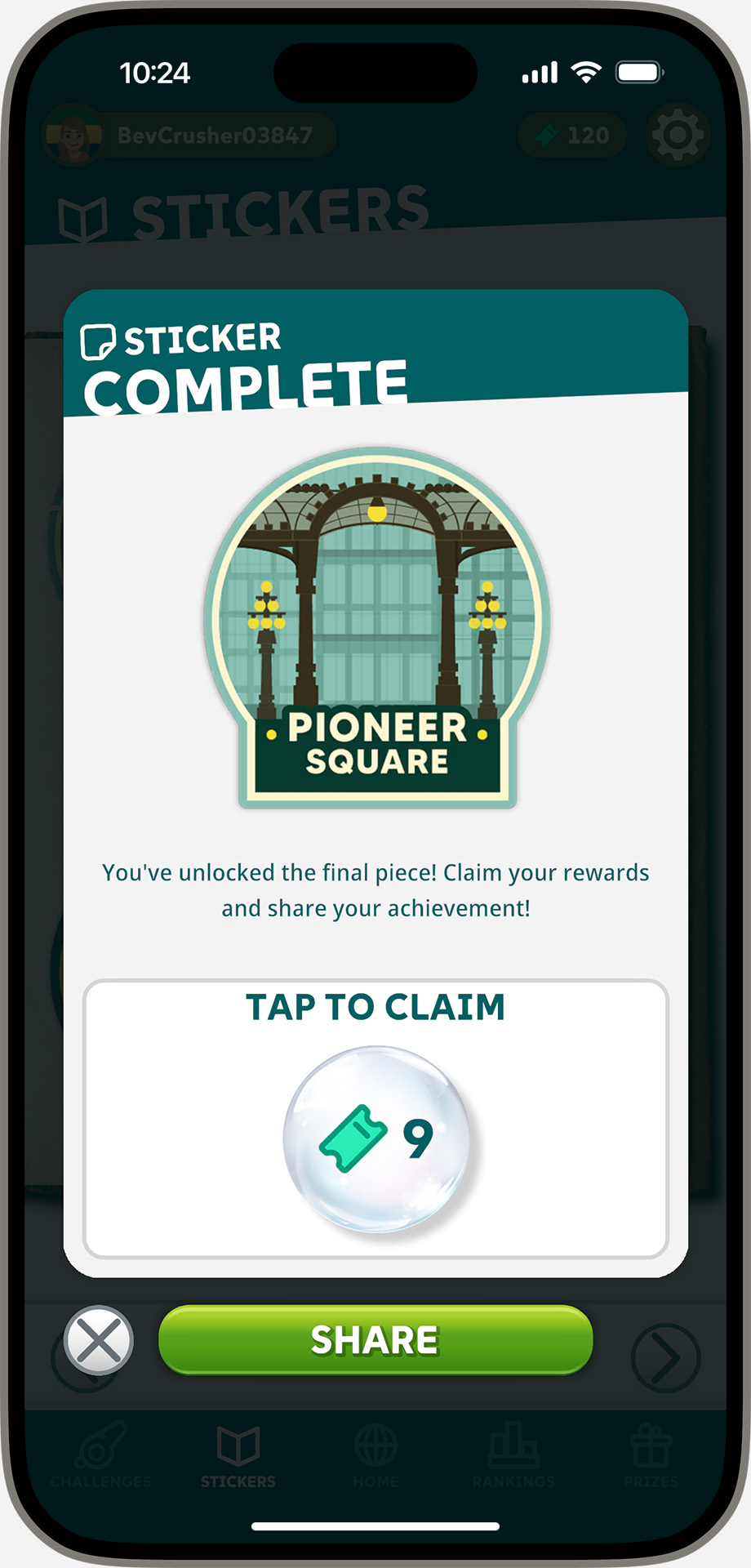
The sticker system translated tour progress and minigame participation into a collectible reward structure. Players could understand how each piece was earned, track collection progress, complete sets, and experience a satisfying claim moment when rewards were unlocked. This made progression more visible and gave players an additional reason to explore different activities.
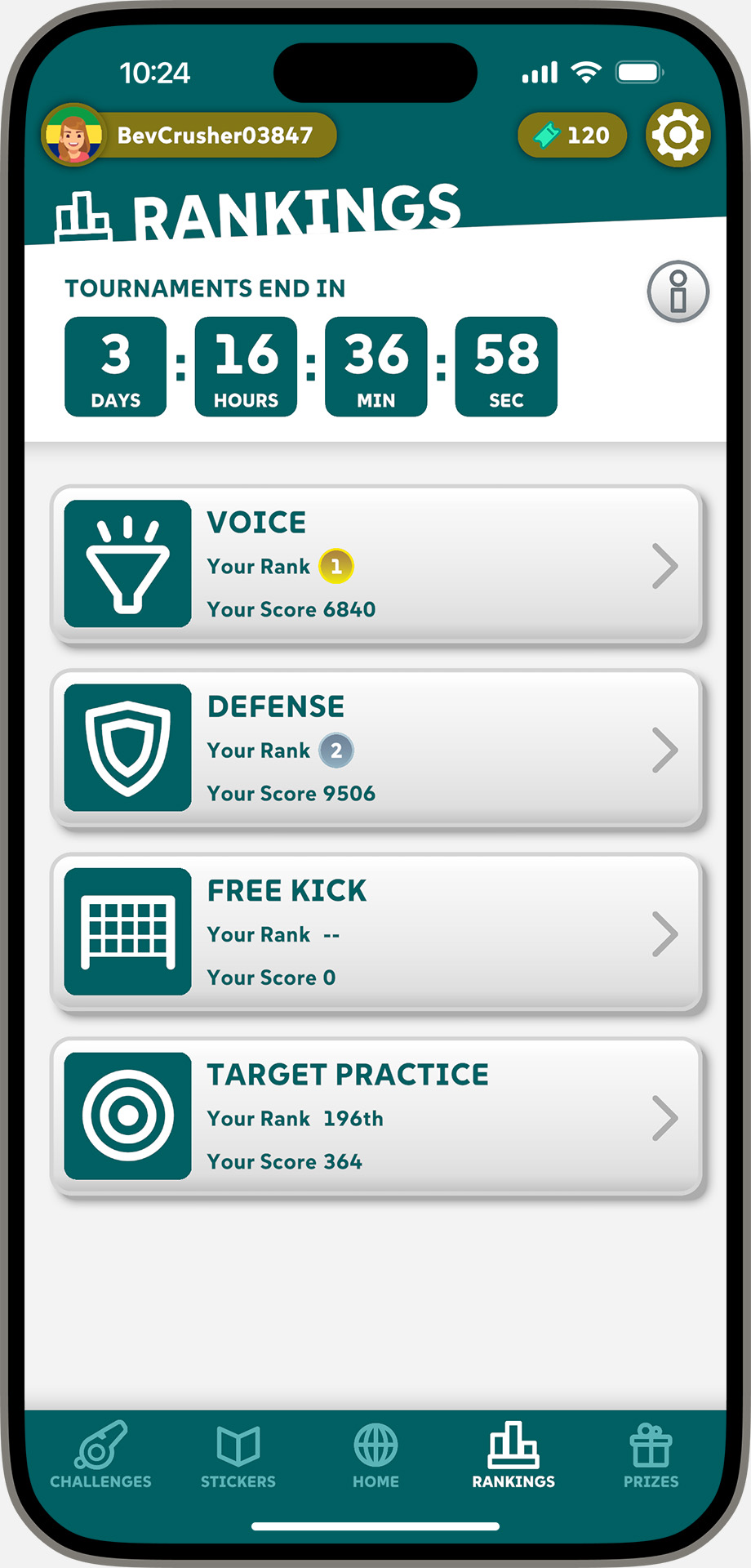
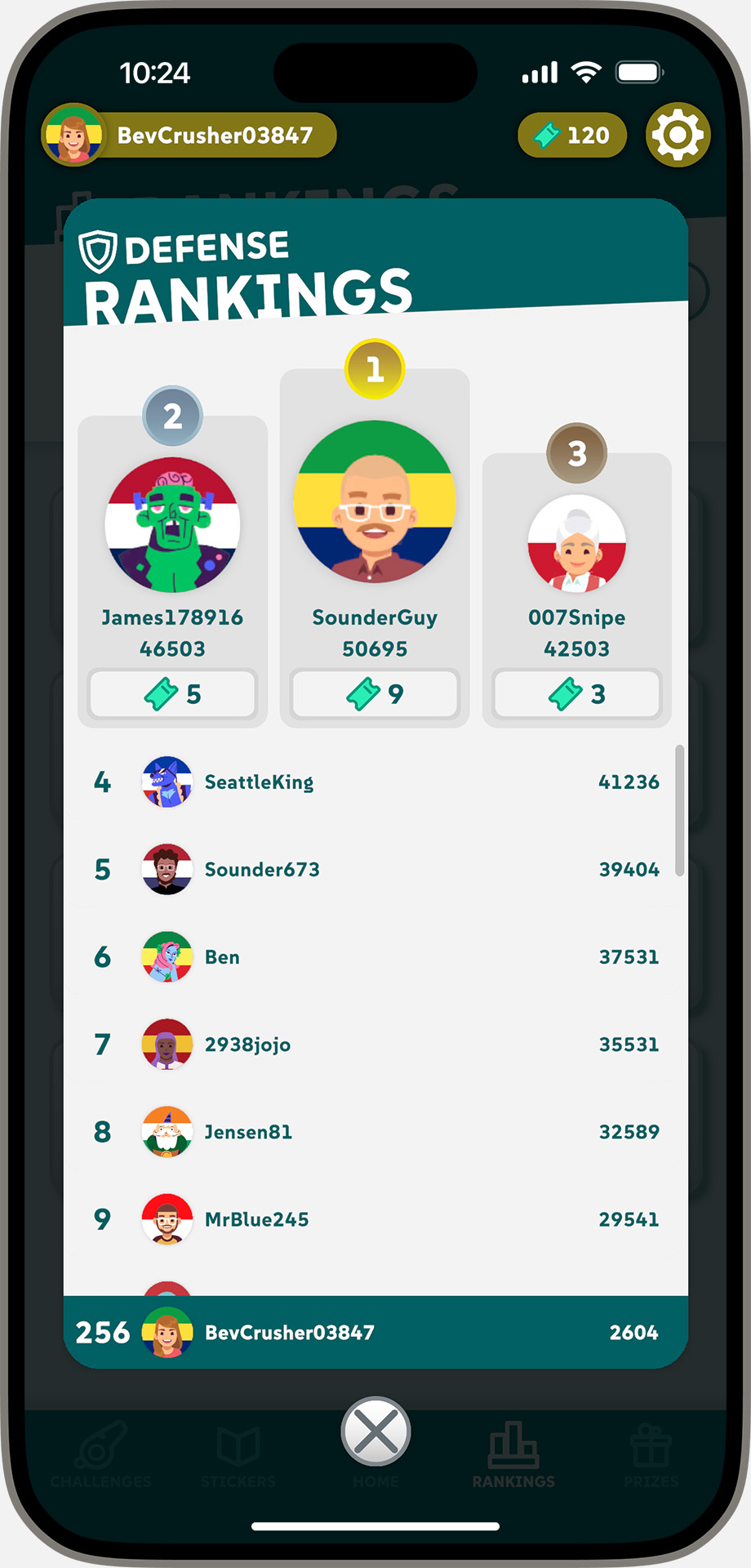
The rankings system introduced a competitive layer across multiple gameplay modes. Players could compare scores, understand their placement, and follow their progress within tournament-style structures. Together, these systems supported both short-term accomplishments and longer-term goals while making the overall experience feel more rewarding and game-like.
PERSONALIZATION & ONBOARDING
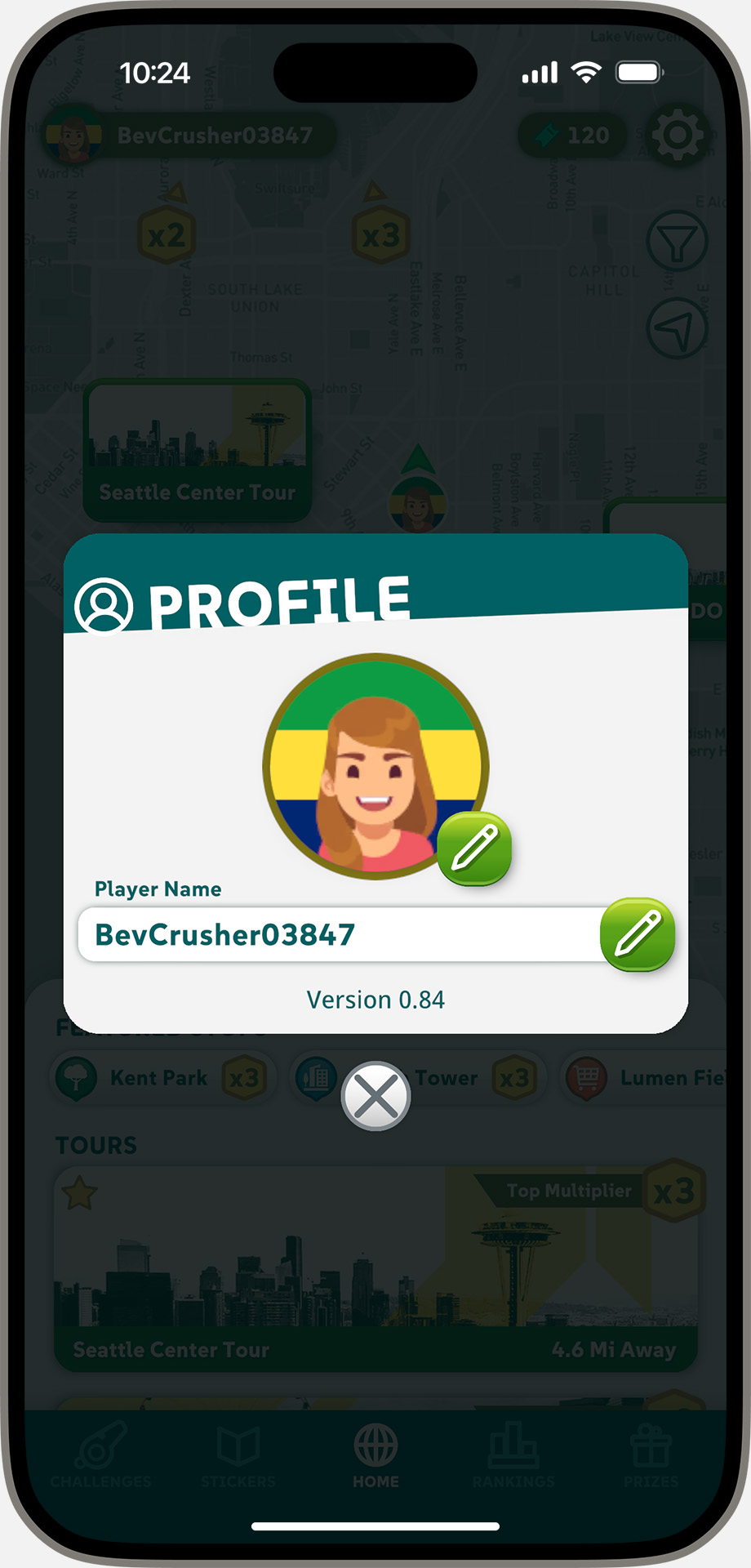
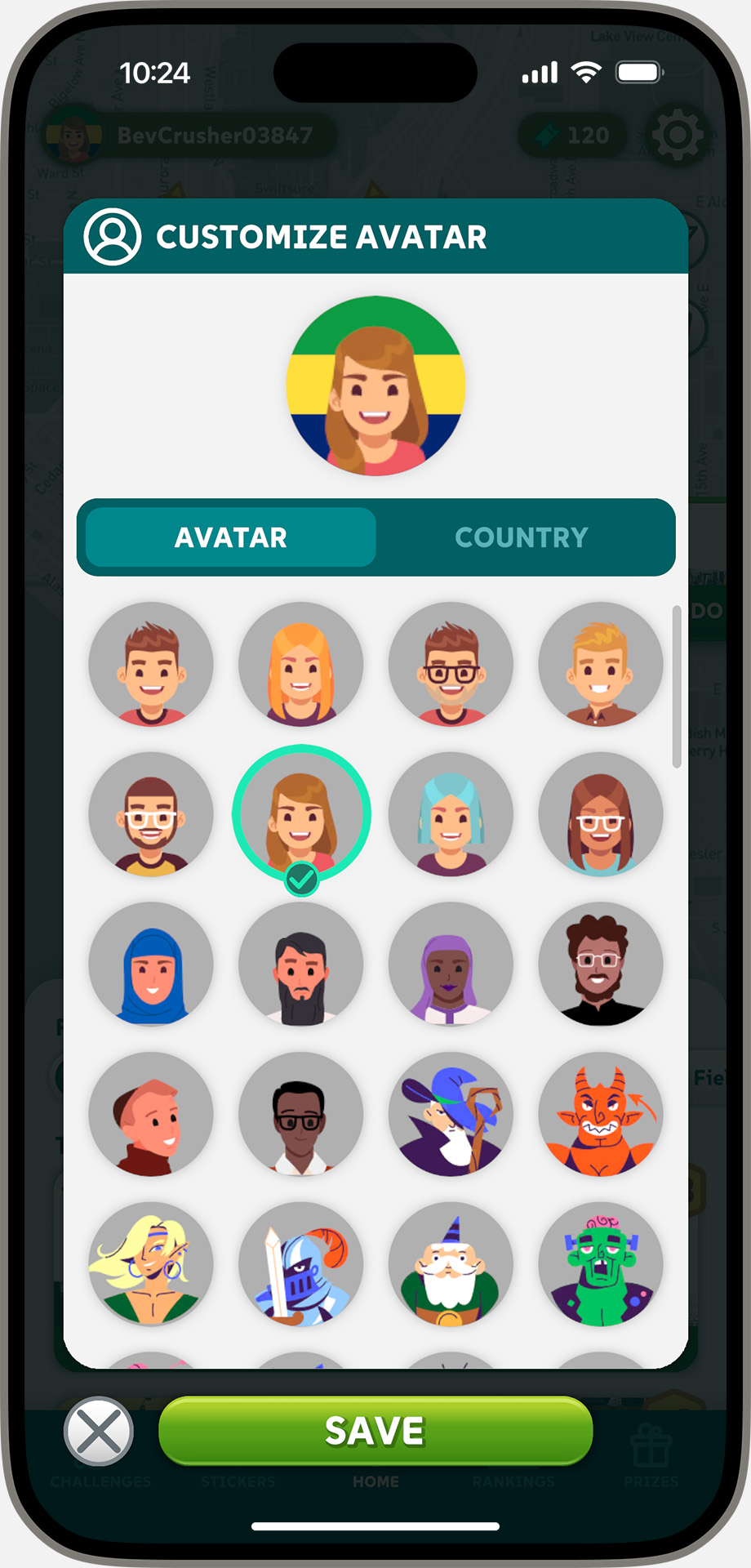
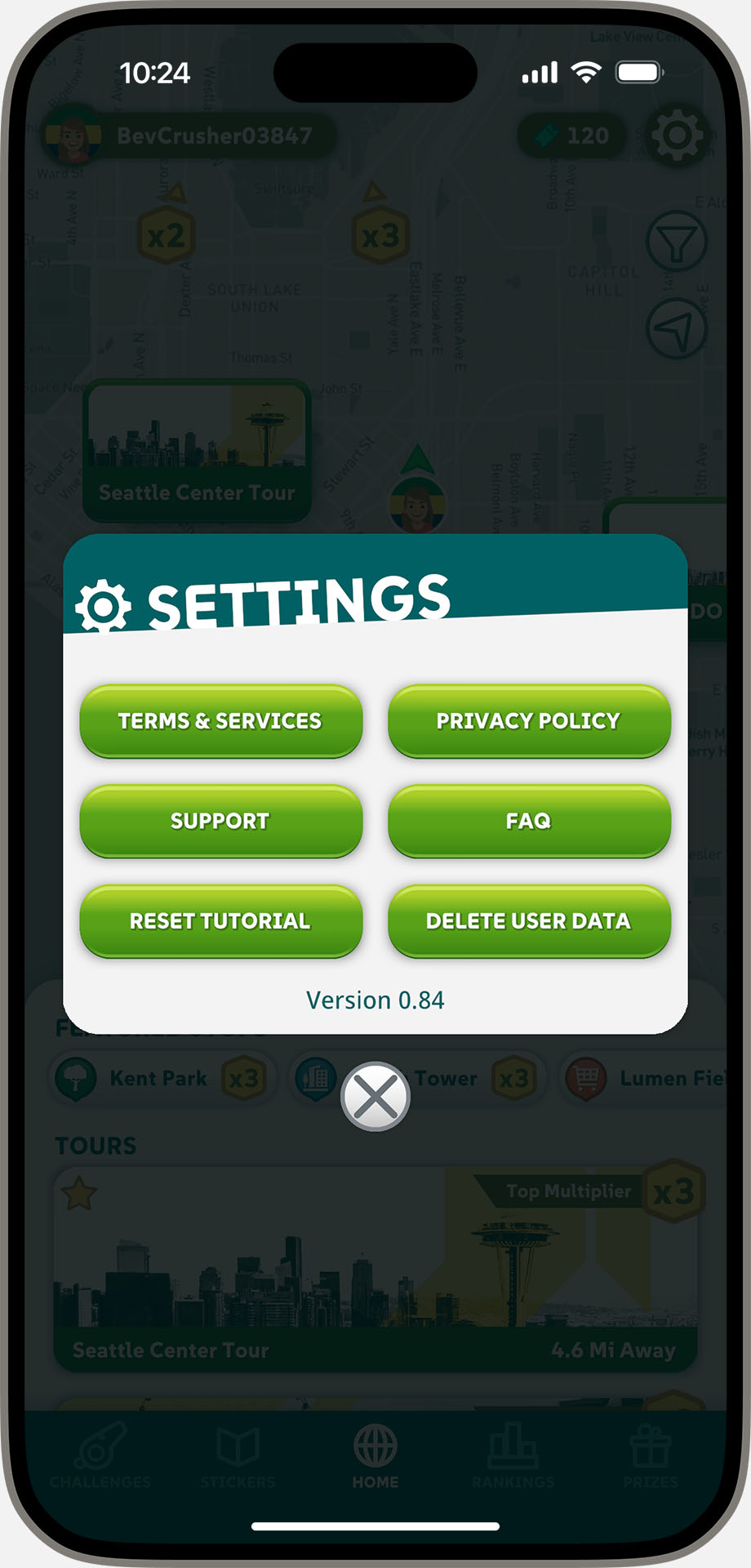
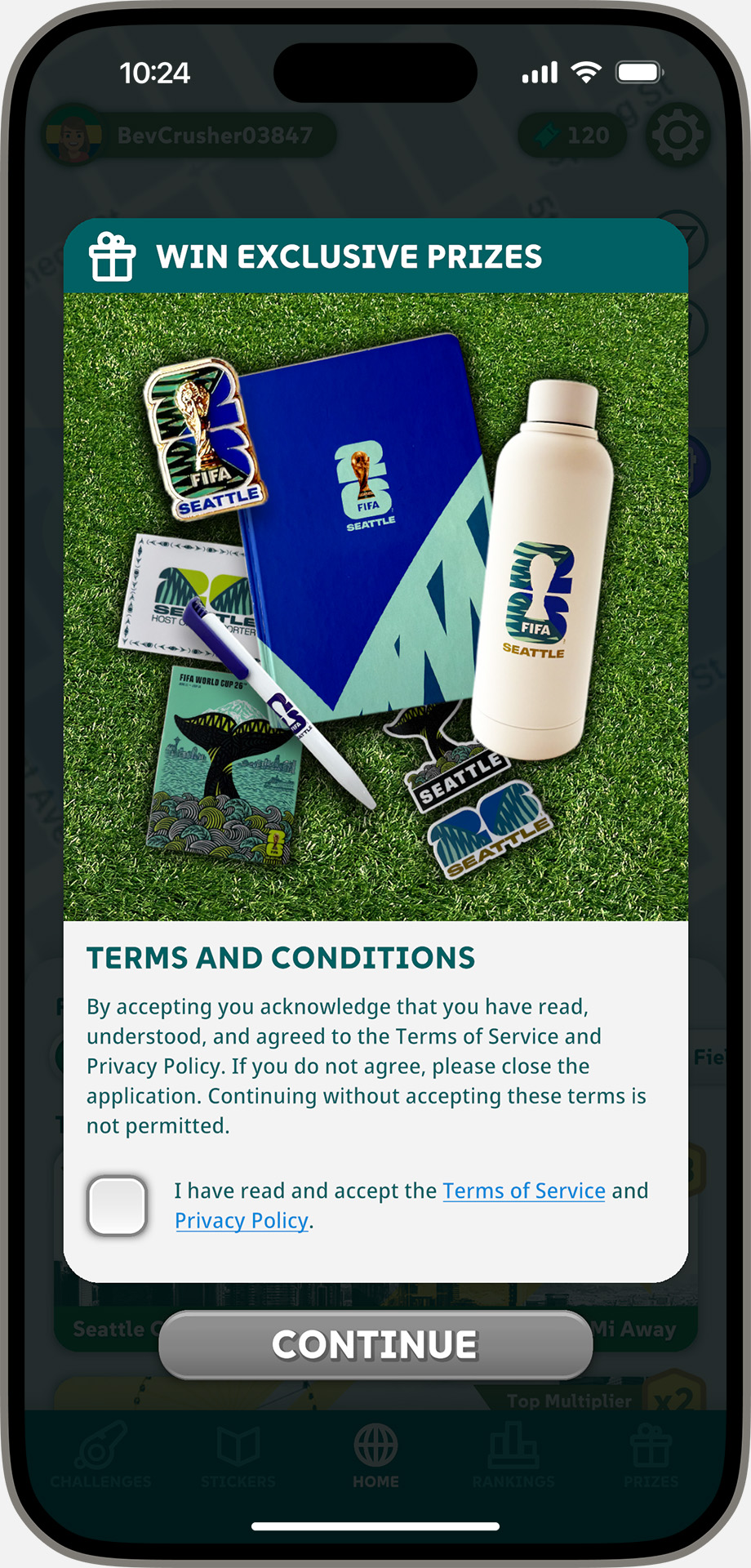
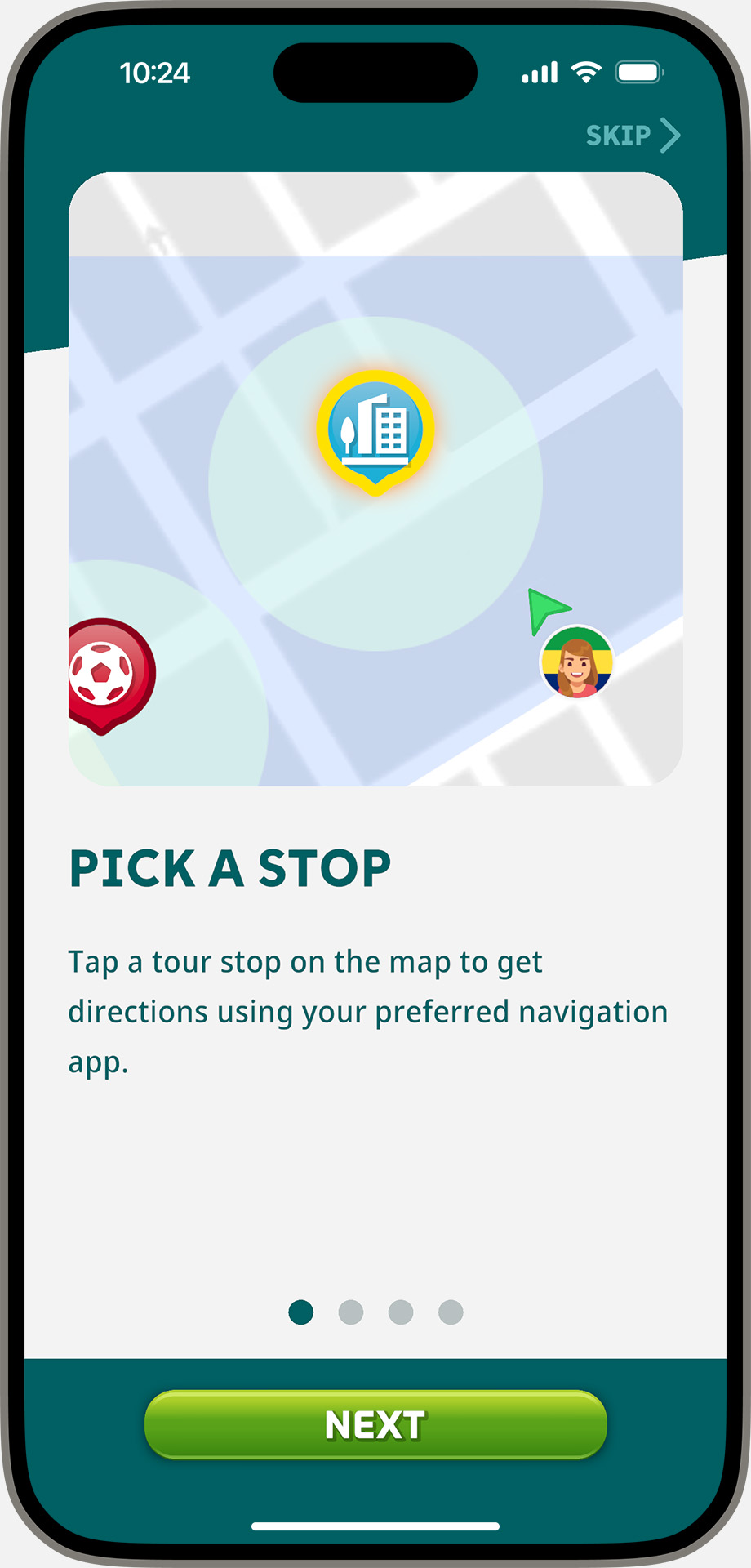
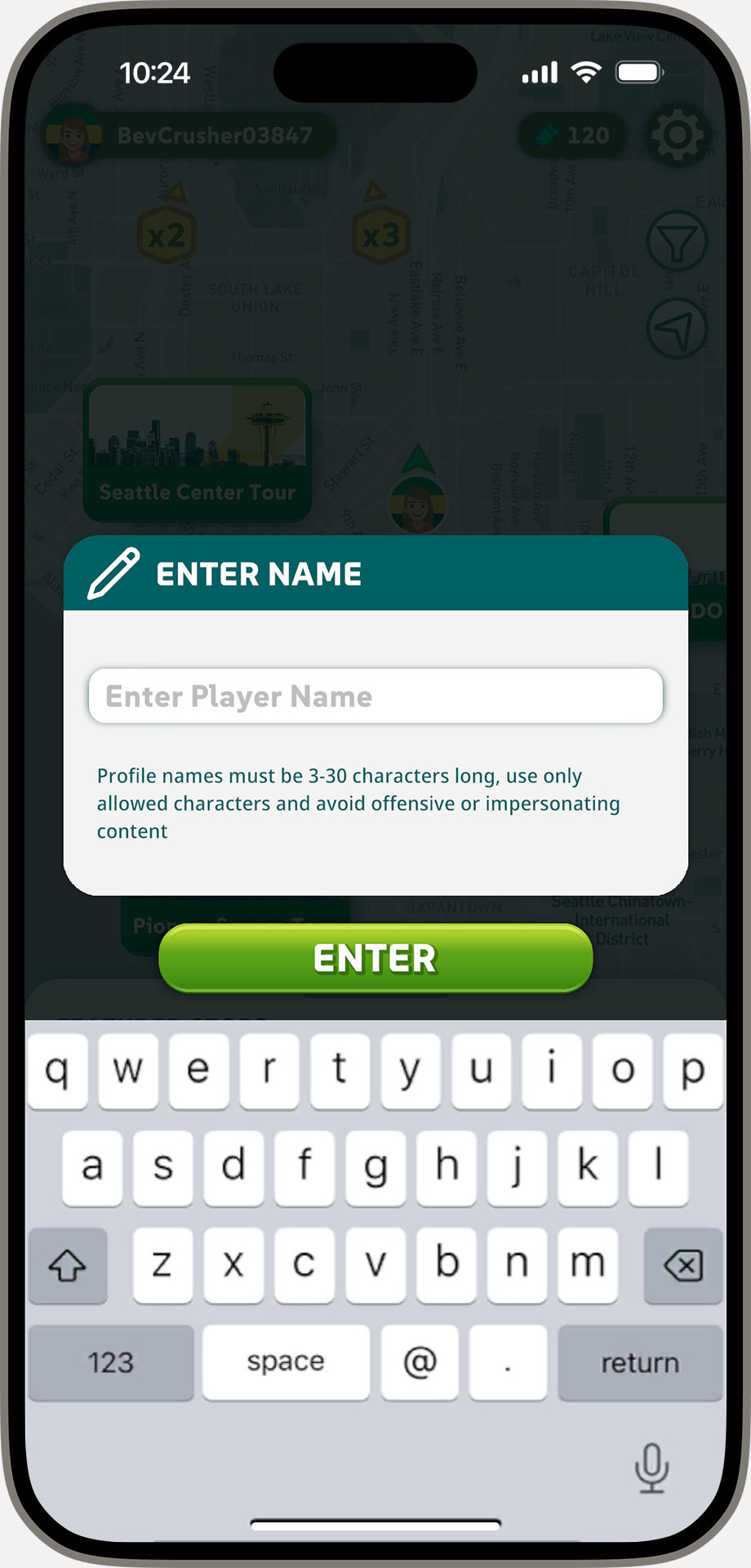
I designed the onboarding, first-time user experience, settings, and player customization flows to help players enter the experience with minimal friction. These included the welcome sequence, profile and player-name creation, avatar and country selection, terms acceptance, tutorials, and core account settings.
The onboarding flow needed to introduce an unfamiliar combination of map-based exploration, physical locations, gameplay, points, and rewards without front-loading too much information. I sequenced the experience around the decisions and concepts players needed first, while allowing additional guidance to appear in context as they explored the product.
Customization and settings used the same visual and interaction patterns as the wider interface, creating an experience that felt approachable, readable, and consistent from the player’s first launch onward.
MOTION DESIGN
I designed and implemented the UI motion directly in Unity so animation could function as part of the production system rather than as a separate visual specification. Motion was structured around reusable states and clearly defined behaviours, making it easier for engineers to connect game logic without needing to recreate or reinterpret the intended animation.
During gameplay, motion reinforced actions, scoring, and changes in state without distracting from the activity itself. Sticker-claim sequences gave collectible rewards a stronger sense of anticipation and completion, while quiz transitions made selections, responses, and progression easier to understand.
Building these behaviours in engine allowed me to evaluate timing and interaction in the actual product context. It also helped maintain a cohesive motion language across features while providing engineering with implementation-ready setups that could be reused and extended.
OUTCOME
The final experience brought map-based discovery, location-aware gameplay, quizzes, collectible progression, competitive rankings, personalization, and physical prize redemption together within one cohesive mobile product.
My annotated UX documentation gave design, production, and engineering a shared view of the complete player journey, while the prefab library and in-engine motion systems created a flexible foundation for implementation and continued iteration. By carrying the work from early product structure through final Unity execution, I was able to maintain consistency across the experience and help the team move from concept to a production-ready interface.